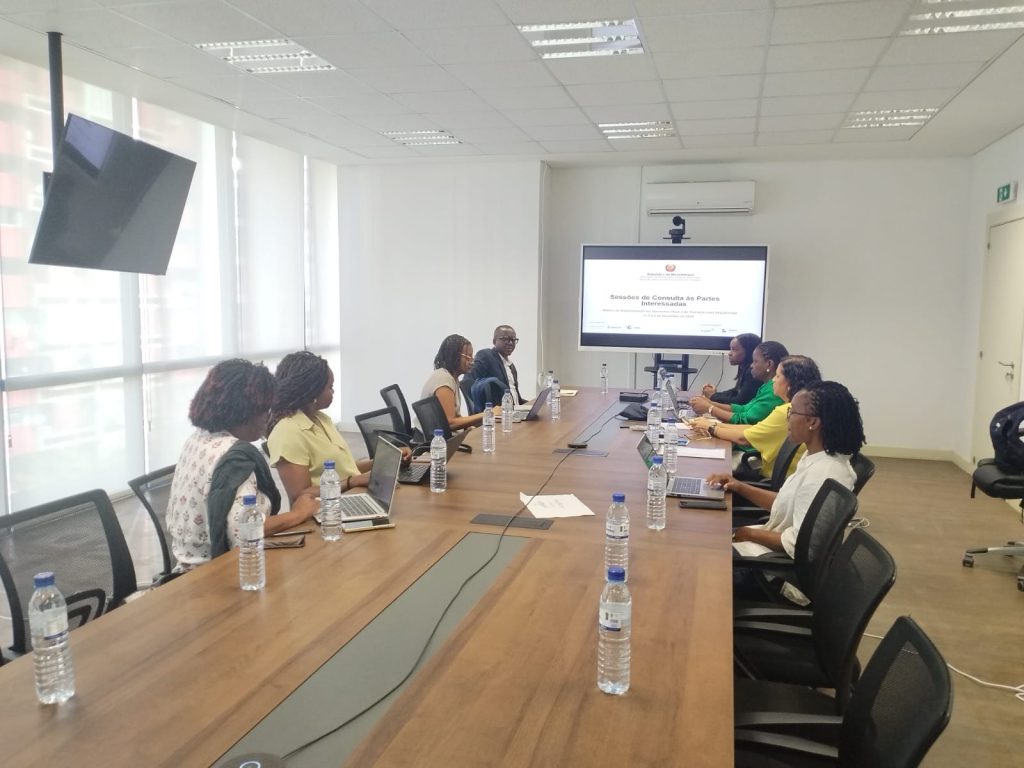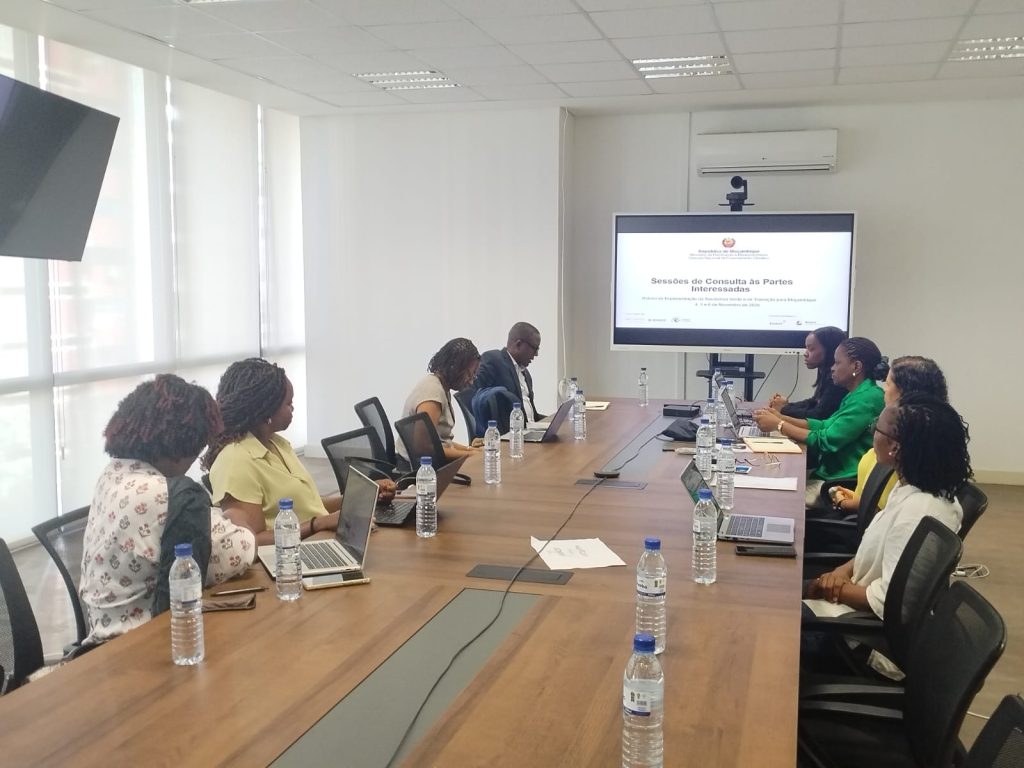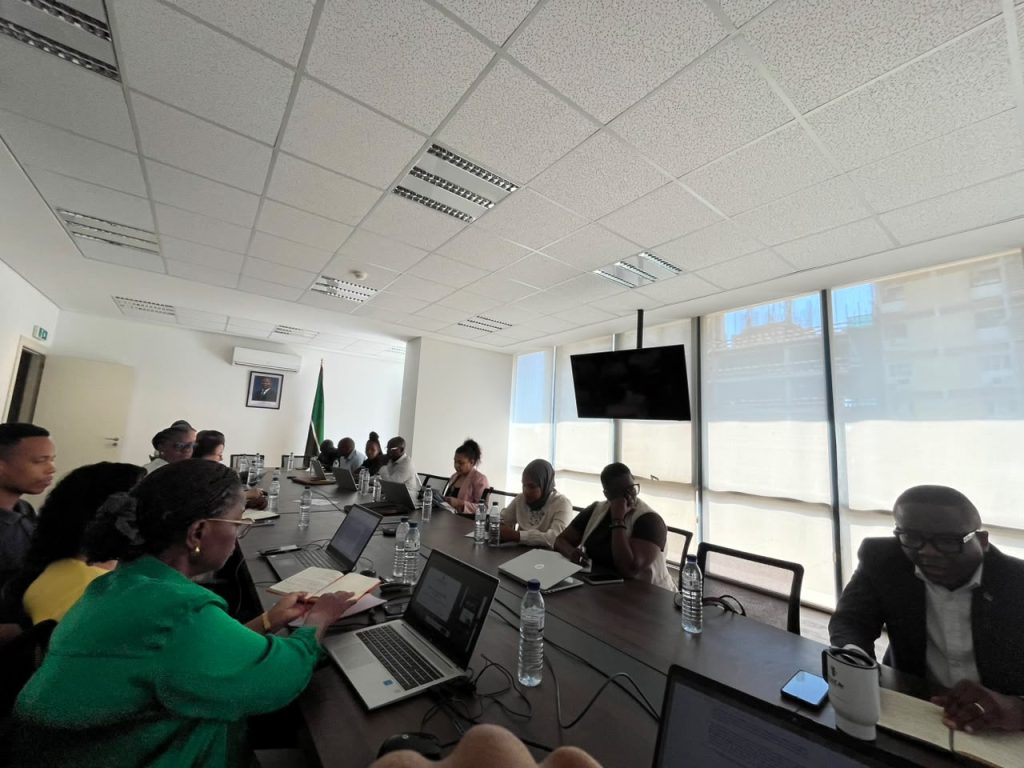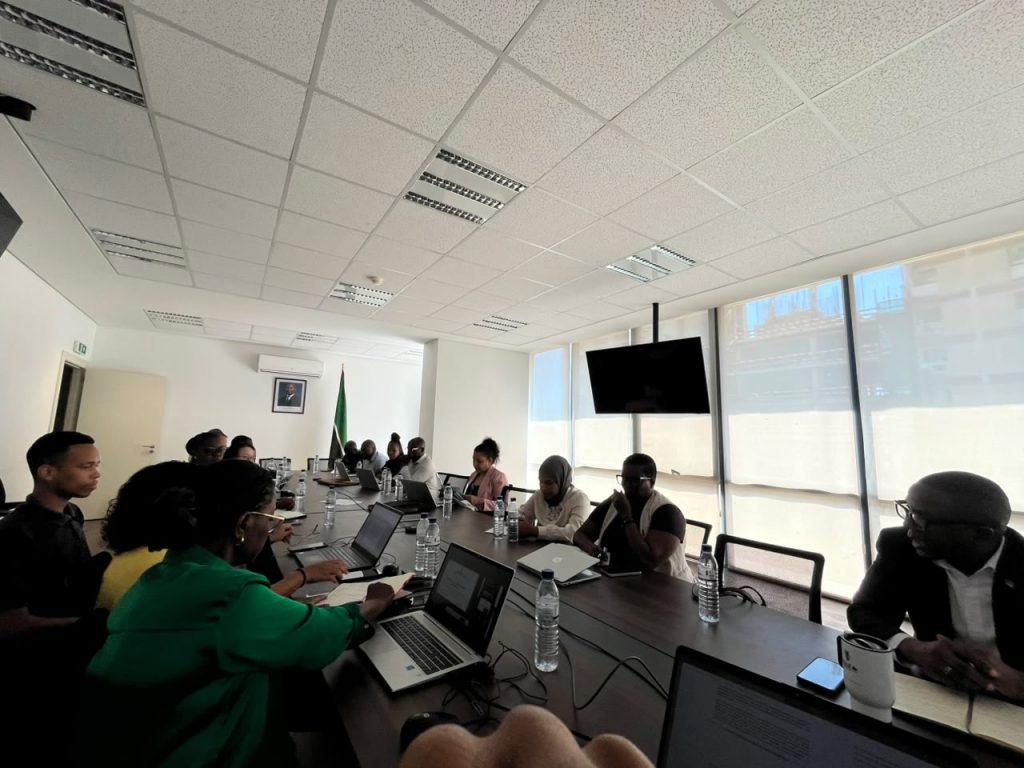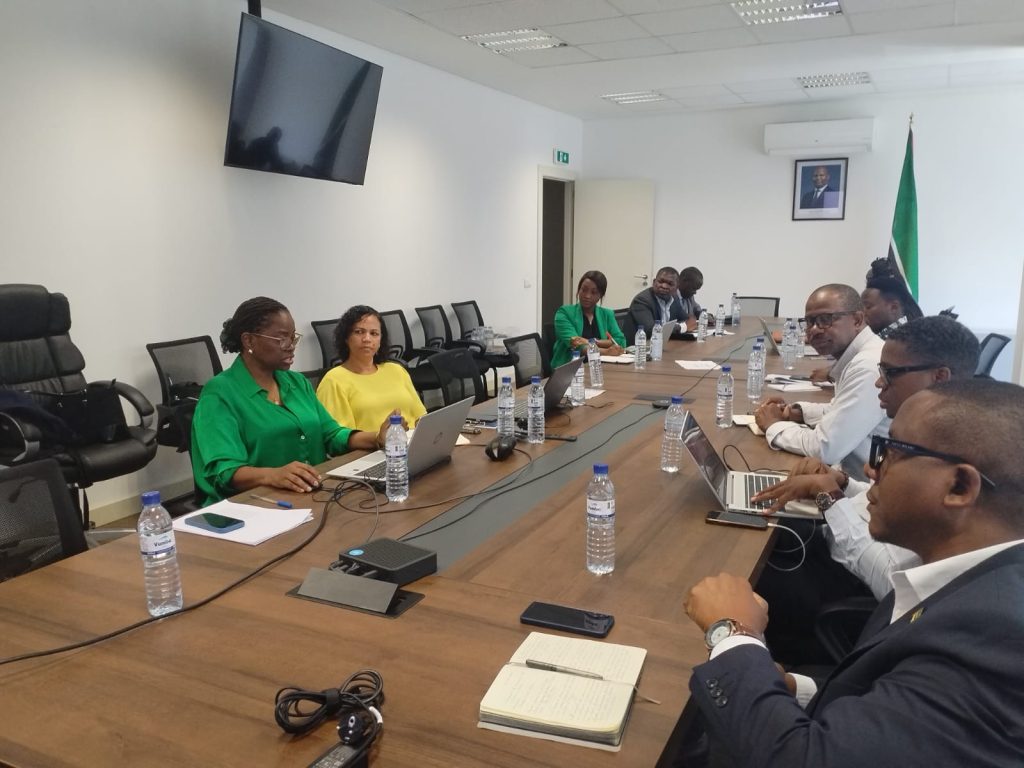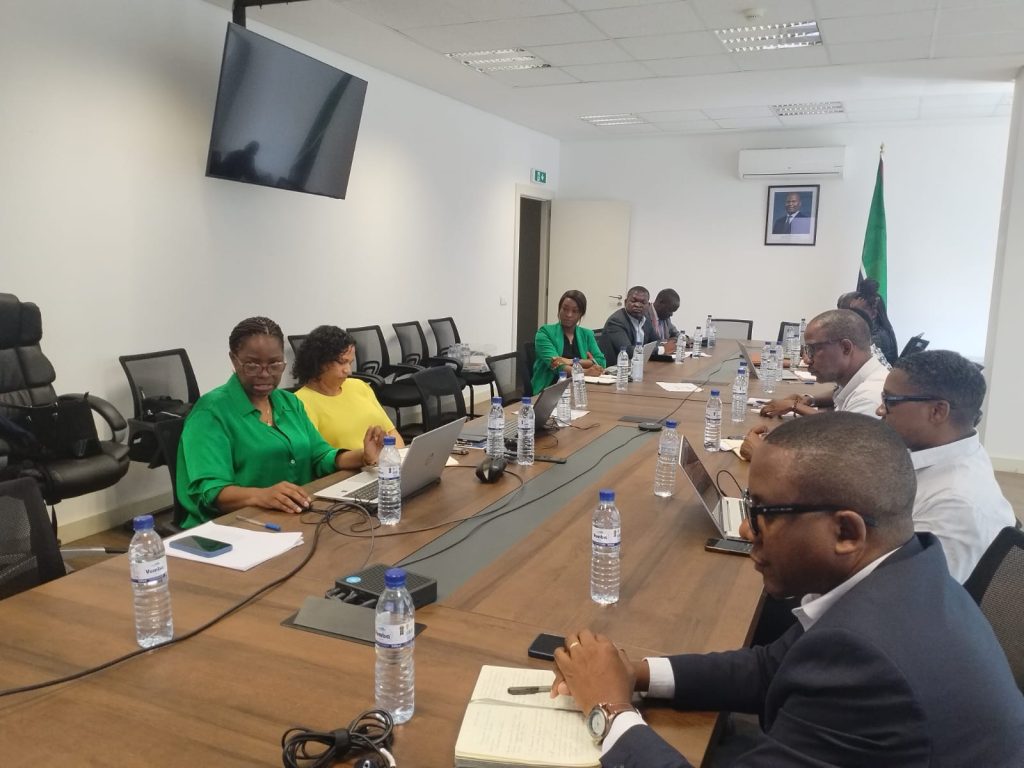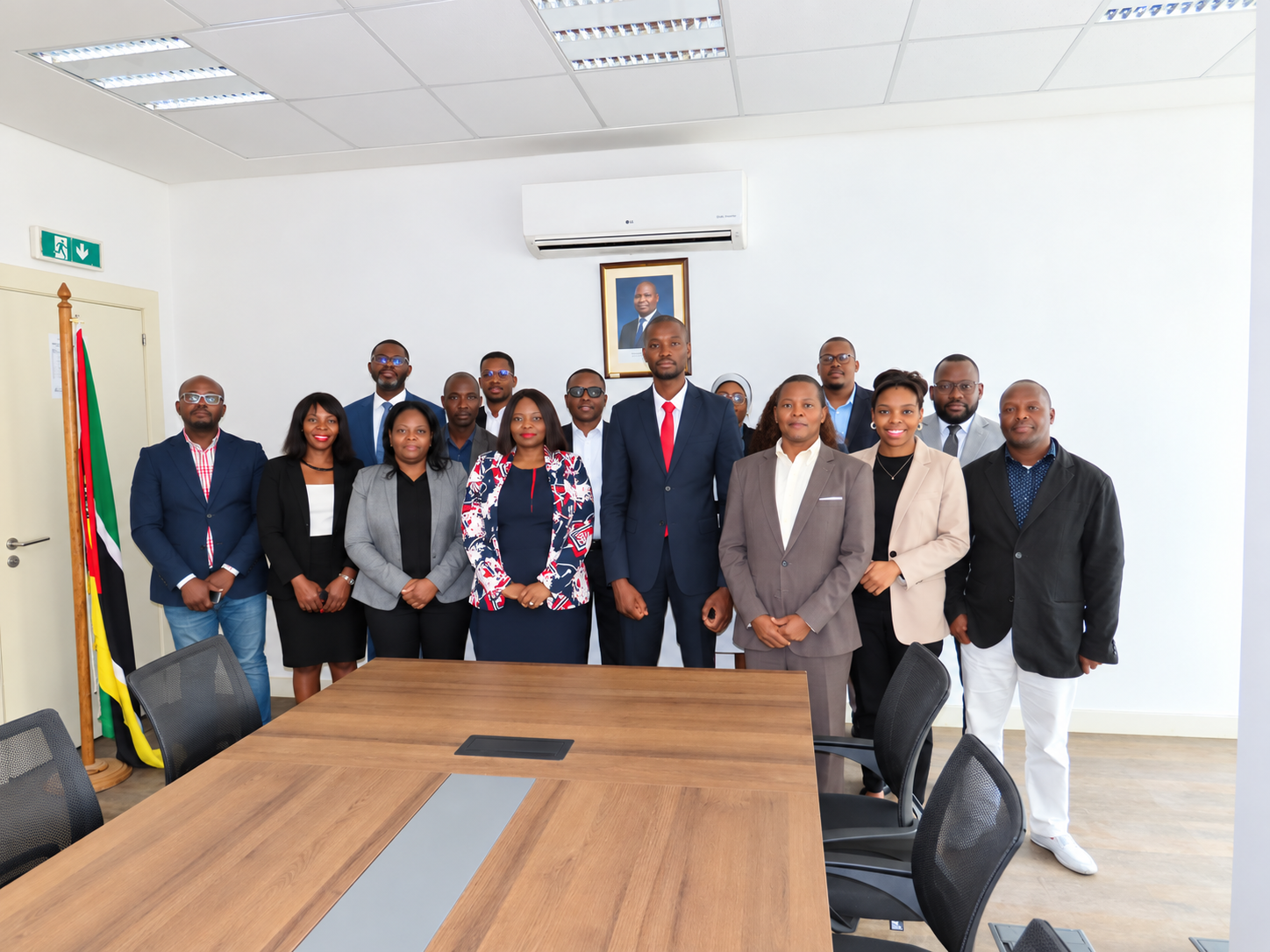
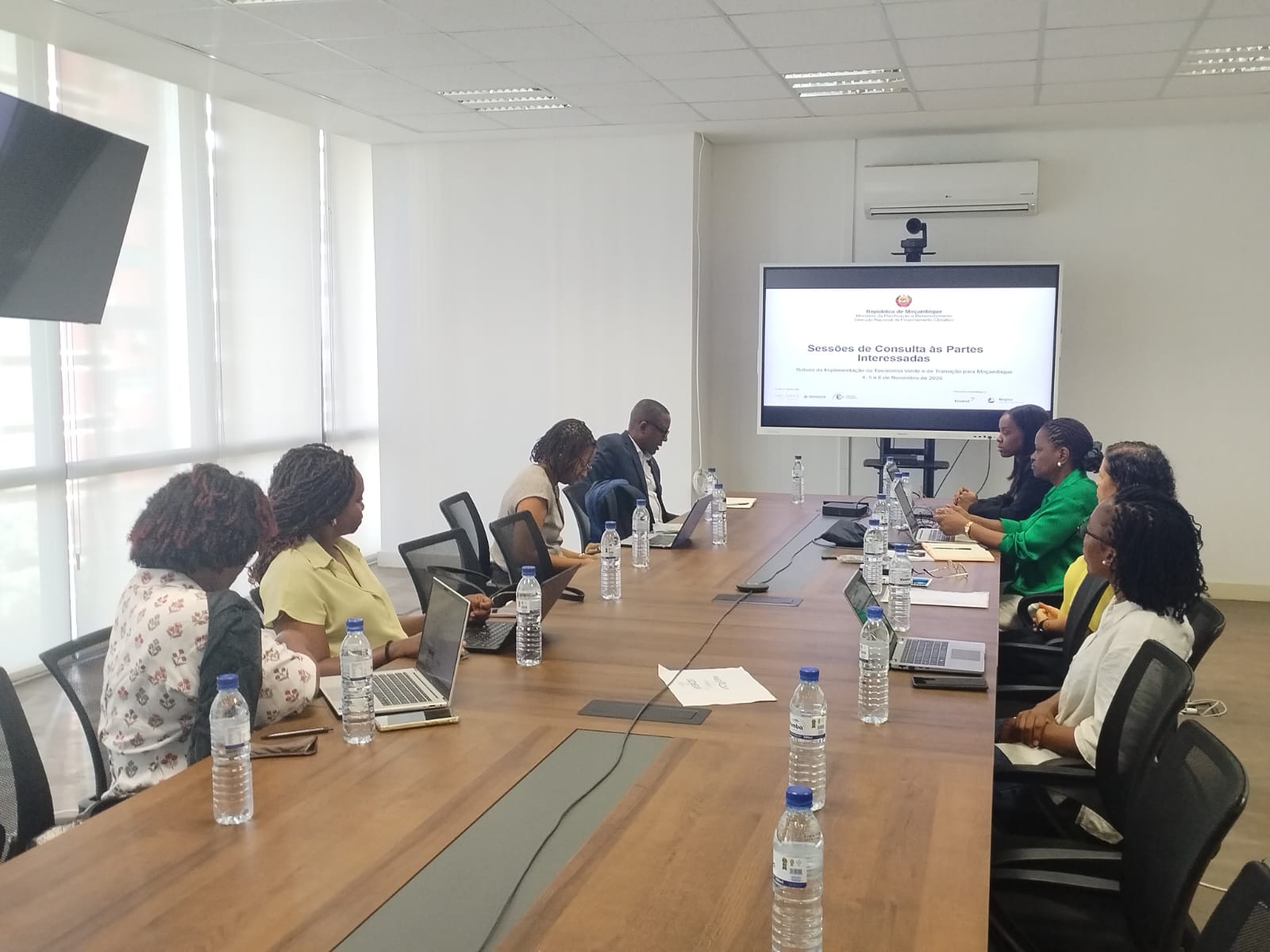
The Ministry of Planning and Development held multi-sector consultation sessions between 4 and 6 November 2026, mobilizing the financial sector and the real economy for sustainable financing.
In order to accelerate sustainable development and channel strategic investments, the Government of Mozambique, through the Ministry of Planning and Development (MPD) and the National Directorate for Climate Financing (DNFC), promoted, from 4 to 6 November 2026, the Consultation Sessions to the Interested Parties for the Roadmap for Implementation of the Green Taxonomy and Transition.
The initiative has the strategic support of Belgian Cooperation (Enabel) and the technical support of the international and national consortium consisting of Melomys Advisory, Impact and the E+ Energy Transition Institute. The process is in line with the National Climate Financing Strategy (ENFC 2025–2034), which establishes taxonomy as a structural and priority reform.
What is it and why a Green Taxonomy?
Taxonomy is a unified system of classification of environmentally sustainable and transitional economic activities. Its main objective is to clarify the concept of sustainable investment in the country, guide public and private funding to national climate targets, combat greenwashing and facilitate access to international funds and capital under more favourable conditions.
Multisectoral Debate and Strategic Axis
Over the course of three days, representatives of the government, the financial system (including the Bank of Mozambique, commercial banks and insurance companies), the private sector, civil society and the academy discussed six key axes for the construction of the Roadmap:
- Users and Application: How to integrate taxonomy into existing tools, alongside Notice 6/GBM/2025 on climate risks and new rules for issuing sustainable bonds.
- Environmental and Social Priorities: Alignment with NDC 3.0 targets, prioritizing mitigation, climate adaptation, biodiversity protection and the inclusion of social safeguards (such as gender equality and decent employment).
- Key Sectors: Identification of key economic priorities for the country, including energy, agriculture, forests, transport, mining and blue economy.
- Governance and Accession Model: Definition of the gradual transition from a voluntary model to a regulated, supervised and institutionally articulated application.
Next Steps and Validation
The participatory process remains open: public, private, civil society and academia institutions have until 30 November 2026 to submit their additional contributions and reflections directly to DNFC.
The schedule now advances to the workshop of drawing and presentation of the first version of the Roadmap, scheduled for the first week of December 2026. The completion of the process will culminate with the validation and presentation of the Final Roadmap, scheduled for the first quarter of 2027.